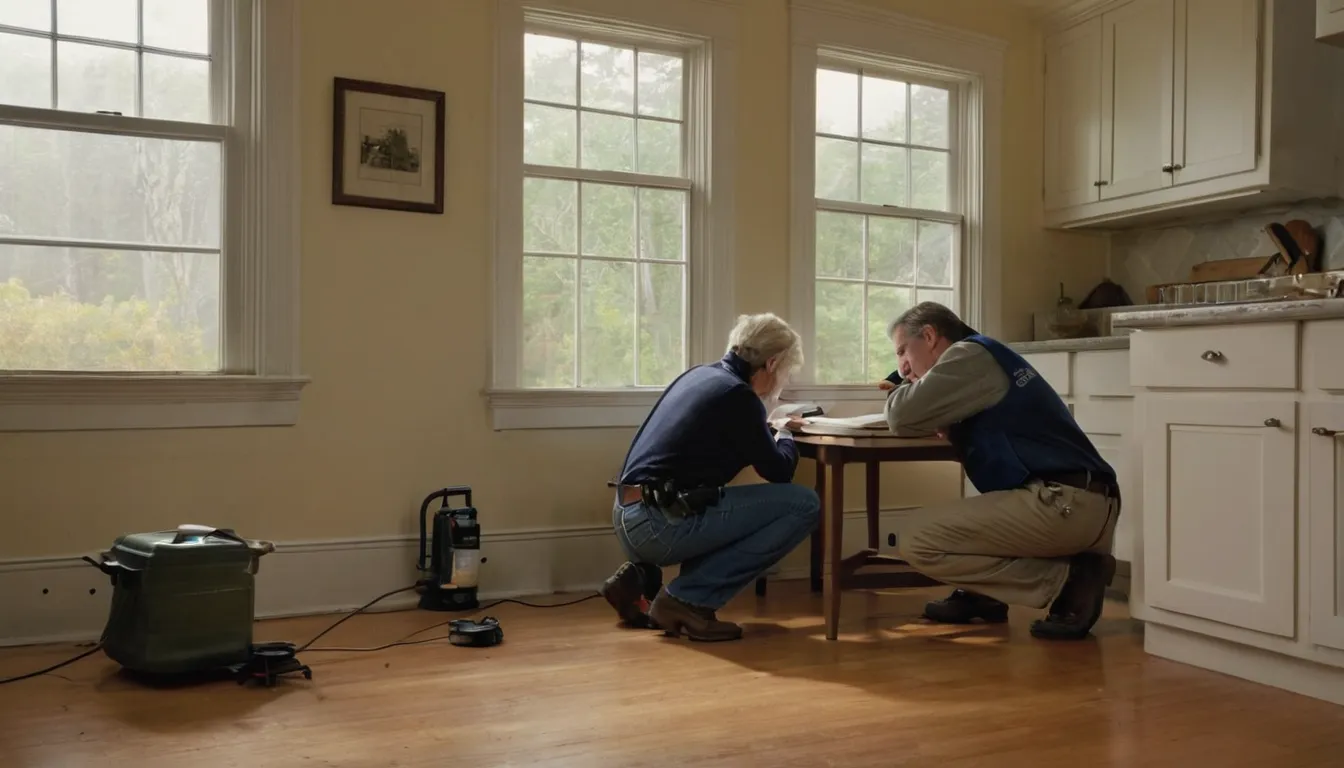
Finding pests in your home is stressful, especially the first time. This page walks you through it step by step. You will learn what is safe to handle yourself, how to take photos and notes, and what a treatment visit usually involves.
Floodolympics Pest Control is a referral service. We connect homeowners in Brockton and the Brockton area with independent providers in our network. The provider does the inspection and treatment. Your photos and notes help them quote the job faster and more accurately, and they give you a clear record if you ever need one for your insurer or landlord.
Seeing Pests? Start With Your Phone
A line of ants on the counter or droppings in a drawer is unsettling. Take a breath. A few safe steps right now will make everything after easier.
Snap it, note it. Take clear photos of the pest, the spot, and any damage. Jot down the date, the room, and the time of day. Records first, then call.
If you searched for an exterminator near me, you are in the right place. Request a callback to check provider availability in your area.
Know When to Stop
Some jobs are fine for a handy homeowner. Wipe up ant trails with soapy water. Store food in sealed containers. Empty trash often. Fix drips under sinks. Set sticky traps to see where the pests travel.
Other jobs are not. Stop and bring in a provider if you see any of these:
- Droppings or gnawing in walls, attics or basements
- Winged insects swarming indoors in spring
- Bites you cannot explain, or tiny dark spots on bedding
- Pests that return a week or two after you cleaned up
- A problem you cannot name
Store-bought sprays can scatter pests deeper into walls. They can also make a provider's later work harder.
Why Acting Early Matters
Pests breed fast. A few mice in fall can become a family by midwinter. Cold, snowy weather pushes insects and rodents indoors looking for warmth. Older homes with stone or block foundations, full basements and aging door sweeps give them plenty of ways in.
Waiting also makes the bill grow. Small problems need a small visit. Big problems need repeat visits and repairs.
What Residential Pest Control Covers
A typical visit has a few parts:
- Inspection: the provider checks the foundation, basement, kitchen, attic and other likely spots.
- Identification: they name the pest, since each one needs a different fix.
- Treatment: baits, traps, dusts or sprays placed where pests travel and hide.
- Exclusion: a pro term for sealing the gaps pests use to get in.
- Follow-up: a recheck to see if the treatment worked.
Not every provider offers every part. Ask what is included before you agree.
Common Pests Providers Treat
Providers in our network commonly handle:
- Ants, including carpenter ants that nest in damp wood
- Spiders and crickets that wander in from basements and crawl spaces
- German and American roaches, often in kitchens and multi-family buildings
- Mice and rats
- Bed bugs, where a careful bed bug treatment plan is needed
- Termites, which have their own page on this site
Larger animals such as raccoons or squirrels fall under wildlife removal. That is a different kind of provider, so say so when you ask.
Build Your Paperwork Folder
Keep one folder, paper or on your phone. Put in dated photos, your notes, receipts for anything you bought, and every written quote or service report.
This helps in three ways. Providers can price the job more clearly. You can see whether a treatment is working. And you have records if a landlord, buyer or insurer asks questions.
Pests are usually treated as a maintenance issue, so many policies do not cover them. Some policies may cover sudden damage, so check your policy. Providers can often help document damage for a claim.
Questions About Product Safety
It is smart to ask. Before the visit, ask the provider:
- What product will you use, and where?
- How long should kids and pets stay out of the area?
- Is there a lower-odor or bait-based option?
- Can I see the product label?
Never mix products yourself. Keep pet bowls, toys and food off treated surfaces until the provider says it is okay.
One-Time Treatment or Ongoing Plan?
A one-time visit often works for a single, new problem, like a few ants in spring. An ongoing plan, often every quarter, fits older homes, multi-family buildings, or houses that see repeat visitors like mice every fall.
Ask what happens if the pests come back between visits. Get the answer in writing.
Choosing a Pest Control Provider
Compare at least two written quotes. Look for the pest named, the treatment described, the price, and the follow-up terms. Check that the provider holds the license your state requires. Ask about liability insurance too.
Be wary of anyone who quotes a big price over the phone without seeing the problem.
Help the Treatment Work
Before the visit, clear items from baseboards and under sinks. Vacuum. Run the trash out. Leave any traps or bait stations alone.
After the visit, do not wipe treated edges for as long as the provider says. Seal small gaps with caulk and steel wool. Run a dehumidifier in a damp basement. Keep firewood off the foundation.
Seasonal Tips for Cold-Climate Homes
Freeze-thaw cycles open small cracks in foundations. Spring snowmelt can leave basements damp, which draws ants and crickets. Fall is prime time for mice. In a multi-family building, tell your landlord and neighbors, since pests move between units.
Ready for the Next Step?
Got your photos and notes? Good. Know when to stop, then hand it off. Request a callback to talk through your options with a local provider.
What's Included
Inspection
A provider checks your basement, kitchen and entry points to find where pests live and how they get in.
Pest Identification
Each pest needs its own plan, so the provider names what you have first.
Targeted Treatment
Baits, traps, dusts or sprays go where pests travel and hide, not across the whole house.
Sealing and Follow-Up
Providers can close entry gaps and recheck the home to see whether treatment is working.
Typical Pest Control Costs
Prices in the U.S. vary by pest, home size, and how bad the problem is. These are common ranges only. Always ask for a written quote before work starts.
| Service | Typical range | Notes |
|---|---|---|
| Home inspection | $75 – $250 | Some providers apply it to treatment |
| One-time ant or spider treatment | $100 – $400 | Single visit, may need a recheck |
| Roach treatment | $150 – $600 | Often two or more visits |
| Quarterly plan, per visit | $100 – $300 | Common for older homes |
| Mouse or rat control with sealing | $300 – $1,500 | Depends on how many entry points |
| Bed bug treatment | $500 – $3,500 | Price rises with rooms treated |
How It Works
Snap and Note
Photograph the pest and the area. Write down the date, room and what you saw.
Do Safe Basics
Wipe trails, seal food, empty trash, and fix drips. Skip heavy sprays.
Reach a Provider
Request a callback to check availability, or request an estimate through the form.
Prep and Follow Up
Clear the area before the visit, then watch for returning pests afterward.
Why Call Floodolympics Pest Control
Records Ready
Dated photos and notes help providers quote accurately and give you proof of what you saw.
Safe DIY Limits
You learn which chores are safe to do yourself and where to stop.
Local Providers
Independent providers in our network know regional homes, from stone foundations to older basements.
Clear Quotes
Ask for written estimates so you can compare options with confidence.
Other Services
Need pest control in Brockton?
Tell us what you found and where. Send a few photos if you have them, and we will point your request toward a local provider in our network.
No obligationPest Control FAQ
How do I find an exterminator near me?
Start by gathering photos and notes on your pest problem. Then ask a referral service like Floodolympics Pest Control to connect you with independent local providers. Compare at least two written quotes before you choose.
Can I get rid of pests myself?
Small problems like a few ants often respond to cleaning, sealing food and fixing leaks. Rodents, bed bugs, termites and repeat infestations usually need a provider, since store sprays can spread them.
Will homeowners insurance cover pest control?
Pests are usually treated as a maintenance issue, so many policies exclude them. Some policies may cover sudden damage, so check your policy. Providers can often help document damage for a claim.
Reach a local provider
Tell us what you found and where. Send a few photos if you have them, and we will point your request toward a local provider in our network.
No obligation